



法律圖書館>>新法規速遞>> 中華人民共和國仲裁法(附英文)
- 《新法規速遞》推出安卓手機版,購軟件送7寸平板電腦!
- 【法規標題】中華人民共和國仲裁法(附英文)
- 【頒布單位】全國人民代表大會常務委員會
- 【發文字號】主席令8屆第31號
- 【頒布時間】1994-8-31
- 【失效時間】
-
【法規來源】全國人民代表大會常務委員會公報1994年
【注】本法規已經被 id294782 法規修改
- 【全文】
中華人民共和國仲裁法(附英文)
中華人民共和國主席令(八屆第31號)
《中華人民共和國仲裁法》已由中華人民共和國第八屆全國人民代表大會常務委員會第九次會議于1994年8月31日通過,現予公布,自1995年9月1日起施行。
中華人民共和國主席 江澤民
1994年8月31日
中華人民共和國仲裁法(附英文)
1994年8月31日第八屆全國人民代表大會常務委員會第九次會議通過
目 錄
第一章 總 則
第二章 仲裁委員會和仲裁協會
第三章 仲裁協議
第四章 仲裁程序
第一節 申請和受理
第二節 仲裁庭的組成
第三節 開庭和裁決
第五章 申請撤銷裁決
第六章 執 行
第七章 涉外仲裁的特別規定
第八章 附 則
第一章 總 則
第一條 為保證公正、及時地仲裁經濟糾紛,保護當事人的合法權益,保障社會主義市場經濟健康發展,制定本法。
第二條 平等主體的公民、法人和其他組織之間發生的合同糾紛和其他財產權益糾紛,可以仲裁。
第三條 下列糾紛不能仲裁:
(一)婚姻、收養、監護、扶養、繼承糾紛;
(二)依法應當由行政機關處理的行政爭議。
第四條 當事人采用仲裁方式解決糾紛,應當雙方自愿,達成仲裁協議。沒有仲裁協議,一方申請仲裁的,仲裁委員會不予受理。
第五條 當事人達成仲裁協議,一方向人民法院起訴的,人民法院不予受理,但仲裁協議無效的除外。
第六條 仲裁委員會應當由當事人協議選定。
仲裁不實行級別管轄和地域管轄。
第七條 仲裁應當根據事實,符合法律規定,公平合理地解決糾紛。
第八條 仲裁依法獨立進行,不受行政機關、社會團體和個人的干涉。
第九條 仲裁實行一裁終局的制度。裁決作出后,當事人就同一糾紛再申請仲裁或者向人民法院起訴的,仲裁委員會或者人民法院不予受理。
裁決被人民法院依法裁定撤銷或者不予執行的,當事人就該糾紛可以根據雙方重新達成的仲裁協議申請仲裁,也可以向人民法院起訴。
第二章 仲裁委員會和仲裁協會
第十條 仲裁委員會可以在直轄市和省、自治區人民政府所在地的市設立,也可以根據需要在其他設區的市設立,不按行政區劃層層設立。
仲裁委員會由前款規定的市的人民政府組織有關部門和商會統一組建。
設立仲裁委員會,應當經省、自治區、直轄市的司法行政部門登記。
第十一條 仲裁委員會應當具備下列條件:
(一)有自己的名稱、住所和章程;
(二)有必要的財產;
(三)有該委員會的組成人員;
(四)有聘任的仲裁員。
仲裁委員會的章程應當依照本法制定。
第十二條 仲裁委員會由主任一人、副主任二至四人和委員七至十一人組成。
仲裁委員會的主任、副主任和委員由法律、經濟貿易專家和有實際工作經驗的人員擔任。仲裁委員會的組成人員中,法律、經濟貿易專家不得少于三分之二。
第十三條 仲裁委員會應當從公道正派的人員中聘任仲裁員。
仲裁員應當符合下列條件之一:
(一)從事仲裁工作滿八年的;
(二)從事律師工作滿八年的;
(三)曾任審判員滿八年的;
(四)從事法律研究、教學工作并具有高級職稱的;
(五)具有法律知識、從事經濟貿易等專業工作并具有高級職稱或者具有同等專業水平的。
仲裁委員會按照不同專業設仲裁員名冊。
第十四條 仲裁委員會獨立于行政機關,與行政機關沒有隸屬關系。仲裁委員會之間也沒有隸屬關系。
第十五條 中國仲裁協會是社會團體法人。仲裁委員會是中國仲裁協會的會員。中國仲裁協會的章程由全國會員大會制定。
中國仲裁協會是仲裁委員會的自律性組織,根據章程對仲裁委員會及其組成人員、仲裁員的違紀行為進行監督。
中國仲裁協會依照本法和民事訴訟法的有關規定制定仲裁規則。
第三章 仲裁協議
第十六條 仲裁協議包括合同中訂立的仲裁條款和以其他書面方式在糾紛發生前或者糾紛發生后達成的請求仲裁的協議。
仲裁協議應當具有下列內容:
(一)請求仲裁的意思表示;
(二)仲裁事項;
(三)選定的仲裁委員會。
第十七條 有下列情形之一的,仲裁協議無效:
(一)約定的仲裁事項超出法律規定的仲裁范圍的;
(二)無民事行為能力人或者限制民事行為能力人訂立的仲裁協議;
(三)一方采取脅迫手段,迫使對方訂立仲裁協議的。
第十八條 仲裁協議對仲裁事項或者仲裁委員會沒有約定或者約定不明確的,當事人可以補充協議;達不成補充協議的,仲裁協議無效。
第十九條 仲裁協議獨立存在,合同的變更、解除、終止或者無效,不影響仲裁協議的效力。
仲裁庭有權確認合同的效力。
第二十條 當事人對仲裁協議的效力有異議的,可以請求仲裁委員會作出決定或者請求人民法院作出裁定。一方請求仲裁委員會作出決定,另一方請求人民法院作出裁定的,由人民法院裁定。
當事人對仲裁協議的效力有異議,應當在仲裁庭首次開庭前提出。
第四章 仲裁程序
第一節 申請和受理
第二十一條 當事人申請仲裁應當符合下列條件:
(一)有仲裁協議;
(二)有具體的仲裁請求和事實、理由;
(三)屬于仲裁委員會的受理范圍。
第二十二條 當事人申請仲裁,應當向仲裁委員會遞交仲裁協議、仲裁申請書及副本。
第二十三條 仲裁申請書應當載明下列事項:
(一)當事人的姓名、性別、年齡、職業、工作單位和住所,法人或者其他組織的名稱、住所和法定代表人或者主要負責人的姓名、職務;
(二)仲裁請求和所根據的事實、理由;
(三)證據和證據來源、證人姓名和住所。
第二十四條 仲裁委員會收到仲裁申請書之日起五日內,認為符合受理條件的,應當受理,并通知當事人;認為不符合受理條件的,應當書面通知當事人不予受理,并說明理由。
第二十五條 仲裁委員會受理仲裁申請后,應當在仲裁規則規定的期限內將仲裁規則和仲裁員名冊送達申請人,并將仲裁申請書副本和仲裁規則、仲裁員名冊送達被申請人。
被申請人收到仲裁申請書副本后,應當在仲裁規則規定的期限內向仲裁委員會提交答辯書。仲裁委員會收到答辯書后,應當在仲裁規則規定的期限內將答辯書副本送達申請人。被申請人未提交答辯書的,不影響仲裁程序的進行。
第二十六條 當事人達成仲裁協議,一方向人民法院起訴未聲明有仲裁協議,人民法院受理后,另一方在首次開庭前提交仲裁協議的,人民法院應當駁回起訴,但仲裁協議無效的除外;另一方在首次開庭前未對人民法院受理該案提出異議的,視為放棄仲裁協議,人民法院應當繼續審理。
第二十七條 申請人可以放棄或者變更仲裁請求。被申請人可以承認或者反駁仲裁請求,有權提出反請求。
第二十八條 一方當事人因另一方當事人的行為或者其他原因,可能使裁決不能執行或者難以執行的,可以申請財產保全。
當事人申請財產保全的,仲裁委員會應當將當事人的申請依照民事訴訟法的有關規定提交人民法院。
申請有錯誤的,申請人應當賠償被申請人因財產保全所遭受的損失。
第二十九條 當事人、法定代理人可以委托律師和其他代理人進行仲裁活動。委托律師和其他代理人進行仲裁活動的,應當向仲裁委員會提交授權委托書。
第二節 仲裁庭的組成
第三十條 仲裁庭可以由三名仲裁員或者一名仲裁員組成。由三名仲裁員組成的,設首席仲裁員。
第三十一條 當事人約定由三名仲裁員組成仲裁庭的,應當各自選定或者各自委托仲裁委員會主任指定一名仲裁員,第三名仲裁員由當事人共同選定或者共同委托仲裁委員會主任指定。第三名仲裁員是首席仲裁員。
當事人約定由一名仲裁員成立仲裁庭的,應當由當事人共同選定或者共同委托仲裁委員會主任指定仲裁員。
第三十二條 當事人沒有在仲裁規則規定的期限內約定仲裁庭的組成方式或者選定仲裁員的,由仲裁委員會主任指定。
第三十三條 仲裁庭組成后,仲裁委員會應當將仲裁庭的組成情況書面通知當事人。
第三十四條 仲裁員有下列情形之一的,必須回避,當事人也有權提出回避申請:
(一)是本案當事人或者當事人、代理人的近親屬;
(二)與本案有利害關系;
(三)與本案當事人、代理人有其他關系,可能影響公正仲裁的;
(四)私自會見當事人、代理人,或者接受當事人、代理人的請客送禮的。
第三十五條 當事人提出回避申請,應當說明理由,在首次開庭前提出。回避事由在首次開庭后知道的,可以在最后一次開庭終結前提出。
第三十六條 仲裁員是否回避,由仲裁委員會主任決定;仲裁委員會主任擔任仲裁員時,由仲裁委員會集體決定。
第三十七條 仲裁員因回避或者其他原因不能履行職責的,應當依照本法規定重新選定或者指定仲裁員。
因回避而重新選定或者指定仲裁員后,當事人可以請求已進行的仲裁程序重新進行,是否準許,由仲裁庭決定;仲裁庭也可以自行決定已進行的仲裁程序是否重新進行。
第三十八條 仲裁員有本法第三十四條第四項規定的情形,情節嚴重的,或者有本法第五十八條第六項規定的情形的,應當依法承擔法律責任,仲裁委員會應當將其除名。
第三節 開庭和裁決
第三十九條 仲裁應當開庭進行。當事人協議不開庭的,仲裁庭可以根據仲裁申請書、答辯書以及其他材料作出裁決。
第四十條 仲裁不公開進行。當事人協議公開的,可以公開進行,但涉及國家秘密的除外。
第四十一條 仲裁委員會應當在仲裁規則規定的期限內將開庭日期通知雙方當事人。當事人有正當理由的,可以在仲裁規則規定的期限內請求延期開庭。是否延期,由仲裁庭決定。
第四十二條 申請人經書面通知,無正當理由不到庭或者未經仲裁庭許可中途退庭的,可以視為撤回仲裁申請。
被申請人經書面通知,無正當理由不到庭或者未經仲裁庭許可中途退庭的,可以缺席裁決。
第四十三條 當事人應當對自己的主張提供證據。
仲裁庭認為有必要收集的證據,可以自行收集。
第四十四條 仲裁庭對專門性問題認為需要鑒定的,可以交由當事人約定的鑒定部門鑒定,也可以由仲裁庭指定的鑒定部門鑒定。
根據當事人的請求或者仲裁庭的要求,鑒定部門應當派鑒定人參加開庭。當事人經仲裁庭許可,可以向鑒定人提問。
第四十五條 證據應當在開庭時出示,當事人可以質證。
第四十六條 在證據可能滅失或者以后難以取得的情況下,當事人可以申請證據保全。當事人申請證據保全的,仲裁委員會應當將當事人的申請提交證據所在地的基層人民法院。
第四十七條 當事人在仲裁過程中有權進行辯論。辯論終結時,首席仲裁員或者獨任仲裁員應當征詢當事人的最后意見。
第四十八條 仲裁庭應當將開庭情況記入筆錄。當事人和其他仲裁參與人認為對自己陳述的記錄有遺漏或者差錯的,有權申請補正。如果不予補正,應當記錄該申請。
筆錄由仲裁員、記錄人員、當事人和其他仲裁參與人簽名或者蓋章。
第四十九條 當事人申請仲裁后,可以自行和解。達成和解協議的,可以請求仲裁庭根據和解協議作出裁決書,也可以撤回仲裁申請。
第五十條 當事人達成和解協議,撤回仲裁申請后反悔的,可以根據仲裁協議申請仲裁。
第五十一條 仲裁庭在作出裁決前,可以先行調解。當事人自愿調解的,仲裁庭應當調解。調解不成的,應當及時作出裁決。
調解達成協議的,仲裁庭應當制作調解書或者根據協議的結果制作裁決書。調解書與裁決書具有同等法律效力。
第五十二條 調解書應當寫明仲裁請求和當事人協議的結果。調解書由仲裁員簽名,加蓋仲裁委員會印章,送達雙方當事人。
調解書經雙方當事人簽收后,即發生法律效力。
在調解書簽收前當事人反悔的,仲裁庭應當及時作出裁決。
第五十三條 裁決應當按照多數仲裁員的意見作出,少數仲裁員的不同意見可以記入筆錄。仲裁庭不能形成多數意見時,裁決應當按照首席仲裁員的意見作出。
第五十四條 裁決書應當寫明仲裁請求、爭議事實、裁決理由、裁決結果、仲裁費用的負擔和裁決日期。當事人協議不愿寫明爭議事實和裁決理由的,可以不寫。裁決書由仲裁員簽名,加蓋仲裁委員會印章。對裁決持不同意見的仲裁員,可以簽名,也可以不簽名。
第五十五條 仲裁庭仲裁糾紛時,其中一部分事實已經清楚,可以就該部分先行裁決。
第五十六條 對裁決書中的文字、計算錯誤或者仲裁庭已經裁決但在裁決書中遺漏的事項,仲裁庭應當補正;當事人自收到裁決書之日起三十日內,可以請求仲裁庭補正。
第五十七條 裁決書自作出之日起發生法律效力。
第五章 申請撤銷裁決
第五十八條 當事人提出證據證明裁決有下列情形之一的,可以向仲裁委員會所在地的中級人民法院申請撤銷裁決:
(一)沒有仲裁協議的;
(二)裁決的事項不屬于仲裁協議的范圍或者仲裁委員會無權仲裁的;
(三)仲裁庭的組成或者仲裁的程序違反法定程序的;
(四)裁決所根據的證據是偽造的;
(五)對方當事人隱瞞了足以影響公正裁決的證據的;
(六)仲裁員在仲裁該案時有索賄受賄,徇私舞弊,枉法裁決行為的。
人民法院經組成合議庭審查核實裁決有前款規定情形之一的,應當裁定撤銷。
人民法院認定該裁決違背社會公共利益的,應當裁定撤銷。
第五十九條 當事人申請撤銷裁決的,應當自收到裁決書之日起六個月內提出。
第六十條 人民法院應當在受理撤銷裁決申請之日起兩個月內作出撤銷裁決或者駁回申請的裁定。
第六十一條 人民法院受理撤銷裁決的申請后,認為可以由仲裁庭重新仲裁的,通知仲裁庭在一定期限內重新仲裁,并裁定中止撤銷程序。仲裁庭拒絕重新仲裁的,人民法院應當裁定恢復撤銷程序。
第六章 執 行
第六十二條 當事人應當履行裁決。一方當事人不履行的,另一方當事人可以依照民事訴訟法的有關規定向人民法院申請執行。受申請的人民法院應當執行。
第六十三條 被申請人提出證據證明裁決有民事訴訟法第二百一十七條第二款規定的情形之一的,經人民法院組成合議庭審查核實,裁定不予執行。
第六十四條 一方當事人申請執行裁決,另一方當事人申請撤銷裁決的,人民法院應當裁定中止執行。
人民法院裁定撤銷裁決的,應當裁定終結執行。撤銷裁決的申請被裁定駁回的,人民法院應當裁定恢復執行。
第七章 涉外仲裁的特別規定
第六十五條 涉外經濟貿易、運輸和海事中發生的糾紛的仲裁,適用本章規定。本章沒有規定的,適用本法其他有關規定。
第六十六條 涉外仲裁委員會可以由中國國際商會組織設立。
涉外仲裁委員會由主任一人、副主任若干人和委員若干人組成。
涉外仲裁委員會的主任、副主任和委員可以由中國國際商會聘任。
第六十七條 涉外仲裁委員會可以從具有法律、經濟貿易、科學技術等專門知識的外籍人士中聘任仲裁員。
第六十八條 涉外仲裁的當事人申請證據保全的,涉外仲裁委員會應當將當事人的申請提交證據所在地的中級人民法院。
第六十九條 涉外仲裁的仲裁庭可以將開庭情況記入筆錄,或者作出筆錄要點,筆錄要點可以由當事人和其他仲裁參與人簽字或者蓋章。
第七十條 當事人提出證據證明涉外仲裁裁決有民事訴訟法第二百六十條第一款規定的情形之一的,經人民法院組成合議庭審查核實,裁定撤銷。
第七十一條 被申請人提出證據證明涉外仲裁裁決有民事訴訟法第二百六十條第一款規定的情形之一的,經人民法院組成合議庭審查核實,裁定不予執行。
第七十二條 涉外仲裁委員會作出的發生法律效力的仲裁裁決,當事人請求執行的,如果被執行人或者其財產不在中華人民共和國領域內,應當由當事人直接向有管轄權的外國法院申請承認和執行。
第七十三條 涉外仲裁規則可以由中國國際商會依照本法和民事訴訟法的有關規定制定。
第八章 附 則
第七十四條 法律對仲裁時效有規定的,適用該規定。法律對仲裁時效沒有規定的,適用訴訟時效的規定。
第七十五條 中國仲裁協會制定仲裁規則前,仲裁委員會依照本法和民事訴訟法的有關規定可以制定仲裁暫行規則。
第七十六條 當事人應當按照規定交納仲裁費用。
收取仲裁費用的辦法,應當報物價管理部門核準。
第七十七條 勞動爭議和農業集體經濟組織內部的農業承包合同糾紛的仲裁,另行規定。
第七十八條 本法施行前制定的有關仲裁的規定與本法的規定相抵觸的,以本法為準。
第七十九條 本法施行前在直轄市、省、自治區人民政府所在地的市和其他設區的市設立的仲裁機構,應當依照本法的有關規定重新組建;未重新組建的,自本法施行之日起屆滿一年時終止。
本法施行前設立的不符合本法規定的其他仲裁機構,自本法施行之日起終止。
第八十條 本法自1995年9月1日起施行。
Arbitration Law of the People's Republic of China
(Adopted at the 8th Session of the Standing Committee of the 8thNational People's Congress and Promulgated on August 31, 1994)
Whole document
Arbitration Law of the People's Republic of China
(Adopted at the 8th Session of the Standing Committee of the 8th
National People's Congress and Promulgated on August 31, 1994)
Chapter I General Provisions
Article 1
This Law is formulated in order to ensure that economic disputes shall
be impartially and promptly arbitrated, to protect the legitimate rights
and interests of the relevant parties and to guarantee the healthy
development of the socialist market economy.
Article 2
Disputes over contracts and disputes over property rights and
interests between citizens, legal persons and other organizations as equal
subjects of law may be submitted to arbitration.
Article 3
The following disputes shall not be submitted to arbitration:
1. disputes over marriage, adoption, guardianship,
child maintenance and inheritance; and
2. administrative disputes falling within the jurisdiction
of the relevant administrative organs according to
law.
Article 4
The parties adopting arbitration for dispute settlement shall reach an
arbitration agreement on a mutually voluntary basis. An arbitration
commission shall not accept an application for arbitration submitted by
one of the parties in the absence of an arbitration agreement.
Article 5
A people's court shall not accept an action initiated by one of the
parties if the parties have concluded an arbitration agreement, unless the
arbitration agreement is invalid.
Article 6
An arbitration commission shall be selected by the parties by
agreement.
The jurisdiction by level system and the district jurisdiction system
shall not apply in arbitration.
Article 7
Disputes shall be fairly and reasonably settled by arbitration on the
basis of facts and in accordance with the relevant provisions of law.
Article 8
Arbitration shall be conducted in accordance with the law, independent
of any intervention by administrative organs, social organizations or
individuals.
Article 9
The single ruling system shall be applied in arbitration. The
arbitration commission shall not accept any application for arbitration,
nor shall a people's court accept any action submitted by the party in
respect of the same dispute after an arbitration award has already been
given in relation to that matter.
If the arbitration award is canceled or its enforcement has been
disallowed by a people's court in accordance with the law, the parties
may, in accordance with a new arbitration agreement between them in
respect of the dispute, re-apply for arbitration or initiate legal
proceedings with the people's court.
Chapter II Arbitration Commissions and Arbitration Association
Article 10
Arbitration commissions may be established in the municipalities
directly under the Central Government, in the municipalities where the
people's governments of provinces and autonomous regions are located or,
if necessary, in other cities divided into districts. Arbitration
commissions shall not be established at each level of the administrative
divisions.
The people's governments of the municipalities and cities specified in
the above paragraph shall organize the relevant departments and the
Chamber of Commerce for the formation of an arbitration commission.
The establishment of an arbitration commission shall be registered
with the judicial administrative department of the relevant province,
autonomous region or municipalities directly under the Central Government.
Article 11
An arbitration commission shall fulfil the following conditions:
1. it must have its own name, domicile and Articles of Association;
2. it must possess the necessary property;
3. it must have its own members; and
4. it must have arbitrators for appointment.
The articles of association of the an arbitration commission shall be
formulated in accordance with this Law.
Article 12
An arbitration commission shall comprise a chairman, two to four
vice-chairmen and seven to eleven members.
The chairman, vice-chairmen and members of an arbitration commission
must be persons specialized in law, economic and trade and persons who
have actual working experience. The number of specialists in law, economic
and trade shall not be less than two-thirds of the members of an
arbitration association.
Article 13
The arbitration commission shall appoint fair and honest person as its
arbitrators.
Arbitrators must fulfil one of the following conditions:
1. they have been engaged in arbitration work for at least eight
years;
2. they have worked as a lawyer for at least eight years;
3. they have been a judge for at least eight years;
4. they are engaged in legal research or legal teaching and in senior
positions; and
5. they have legal knowledge and are engaged in professional work
relating to economics and trade, and in senior positions or of the
equivalent professional level.
The arbitration commission shall establish a list of arbitrators
according to different professionals.
Article 14
Arbitration commissions are independent of administrative organs and
there are no subordinate relations with any administrative organs nor
between the different arbitration commissions.
Article 15
The China Arbitration Association is a social organization with the
status of a legal person. Arbitration commissions are members of the China
Arbitration Association. The Articles of Association of the China
Arbitration Association shall be formulated by the national general
meeting of the members.
The China Arbitration Association is an organization in charge of
self-regulation of the arbitration commissions. It shall conduct
supervision over the conduct (any breach of discipline) of the arbitration
commissions and their members and arbitrators in accordance with its
articles of association.
The China Arbitration Association shall formulate Arbitration Rules in
accordance with this Law and the Civil Procedure Law.
Chapter III Arbitration Agreement
Article 16
An arbitration agreement shall include the arbitration clauses
provided in the contract and any other written form of agreement concluded
before or after the disputes providing for submission to arbitration.
The following contents shall be included in an arbitration agreement:
1. the expression of the parties' wish to submit to arbitration;
2. the matters to be arbitrated; and
3. the Arbitration Commission selected by the parties.
Article 17
An arbitration agreement shall be invalid under any of the following
circumstances:
1. matters agreed upon for arbitration are beyond the scope of
arbitration prescribed by law;
2. an arbitration agreement concluded by persons without or with
limited capacity for civil acts; and
3. one party forces the other party to sign an arbitration agreement
by means of duress.
Article 18
If the arbitration matters or the arbitration commission are not
agreed upon by the parties in the arbitration agreement, or, if the
relevant provisions are not clear, the parties may supplement the
agreement. If the parties fail to agree upon the supplementary agreement,
the arbitration agreement shall be invalid.
Article 19
An arbitration agreement shall exist independently. Any changes to,
rescission, termination or invalidity of the contract shall not affect the
validity of the arbitration agreement.
An arbitration tribunal has the right to rule on the validity of a
contract.
Article 20
If the parties object to the validity of the arbitration agreement,
they may apply to the arbitration commission for a decision or to a
people's court for a ruling. If one of the parties submits to the
arbitration commission for a decision, but the other party applies to a
people's court for a ruling, the people's court shall give the ruling.
If the parties contest the validity of the arbitration agreement, the
objection shall be made before the start of the first hearing of the
arbitration tribunal.
Chapter IV Arbitration Procedure
Section 1: Application and Acceptance for Arbitration
Article 21
The parties applying for arbitration shall fulfil the following
conditions:
1. they must have an arbitration agreement;
2. they must have a specific claim with facts and argument on which
the claim is based; and
3. the arbitration must be within the jurisdiction of the arbitration
commission.
Article 22
The party applying for arbitration shall submit to an arbitration
commission the arbitration agreement, an application for arbitration and
copies thereof.
Article 23
An arbitration application shall state clearly the following:
1. the name, sex, age, occupation, work unit and address of the party,
the name address and legal representative of the legal person or other
organization and the name and position of its person-in charge;
2. the arbitration claim and the facts and argument on which the claim
is based; and
3. evidence and the source of evidence, the name and address of the
witness (es).
Article 24
Within 5 days from the date of receiving the arbitration application,
the arbitration commission shall notify the parties that it considers the
conditions for acceptance have been fulfilled, and that the application is
accepted by it. If the arbitration commission considers that the
conditions have not been fulfilled, it shall notify the parties in writing
of its rejection, stating its reasons.
Article 25
Upon acceptance of an arbitration application, the arbitration
commission shall, within the time limit provided by the Arbitration Rules,
serve a copy of the Arbitration Rules and the list of arbitrators on the
applicant, and serve a copy of the arbitration application, the
Arbitration Rules and the list of arbitrators on the respondent.
Upon receipt of a copy of the arbitration application, the respondent
shall, within the time limit prescribed by the Arbitration Rules, submit
its defence to the arbitration commission. Upon receipt of the defence,
the arbitration commission shall, within the time limit prescribed by the
Arbitration Rules, serve a copy of the reply on the applicant. The failure
of the respondent to submit a defence shall not affect the proceeding of
the arbitration procedures.
Article 26
Where the parties had agreed on an arbitration agreement, but one of
the parties initiates an action before a people's court without stating
the existence of the arbitration agreement, the people's court shall,
unless the arbitration agreement is invalid, reject the action if the
other party submits to the court the arbitration agreement before the
first hearing of the case. If the other party fails to object to the
hearing by the people's court before the first hearing, the arbitration
agreement shall be considered to have been waived by the party and the
people's court shall proceed with the hearing.
Article 27
The applicant may abandon or alter his arbitration claim. The
respondent may accept the arbitration claim or object to it. It has a
right to make a counterclaim.
Article 28
A party may apply for property preservation if, as the result of an
act of the other party or for some other reasons, it appears that an award
may be impossible or difficult to enforce.
If one of the parties applies for property preservation, the
arbitration commission shall submit to a people's court the application of
the party in accordance with the relevant provisions of the Civil
Procedure Law.
If a property preservation order is unfounded, the applicant shall
compensate the party against whom the order was made for any losses
sustained as a result of the implementation of the property preservation
order.
Article 29
The parties and their legal representatives may appoint lawyers or
engage agents to handle matters relating to the arbitration. In the event
that a lawyer or an agent is appointed to handle the arbitration matters,
a letter of authorization shall be submitted to the arbitration
commission.
Section 2: Composition of the Arbitration Tribunal
Article 30
An arbitration tribunal may comprise three arbitrators or one
arbitrator. If an arbitration tribunal comprises three arbitrators, a
presiding arbitrator shall be appointed.
Article 31
If the parties agree to form an arbitration tribunal comprising three
arbitrators, each party shall select or authorize the chairmen of the
arbitration commission to appoint one arbitrator. The third arbitrator
shall be selected jointly by the parties or be nominated by the chairman
of the arbitration commission in accordance with a joint mandate given by
the parties. The third arbitrator shall be the presiding arbitrator.
If the parties agree to have one arbitrator to form an arbitration
tribunal, the arbitrator shall be selected jointly by the parties or be
nominated by the chairman of the arbitration commission in accordance with
a joint mandate given by the parties.
Article 32
If the parties fail, within the time limit prescribed by the
Arbitration Rules, to select the form of the constitution of the
arbitration tribunal or fail to select the arbitrators, the arbitrators
shall be appointed by the chairman of the arbitration commission.
Article 33
After the arbitration tribunal is constituted, the arbitration
commission shall notify the parties in writing of the composition of the
arbitration tribunal.
Article 34
In any of the following circumstances, an arbitrator must withdraw
from the arbitration, and the parties shall have the right to apply for
his withdrawal if he:
1. is a party or a close relative of a party or of a party's
representative;
2. is related in the case;
3. has some other relationship with a party to the case or with a
party's agent which could possibly affect the impartiality of the
arbitration;
4. meets a party or his agent in private, accepts an invitation for
dinner by a party or his representative or accepts gifts presented by any
of them.
Article 35
When applying for the withdrawal of an arbitrator, the petitioning
party shall state his reasons and submit a withdrawal application before
the first hearing. A withdrawal application may also be submitted before
the conclusion of the last hearing if reasons for the withdrawal only
became known after the start of the first hearing.
Article 36
Whether an arbitrator is withdrawn or not shall be determined by the
chairman of the arbitration commission. If chairman is serving as an
arbitrator, the withdrawal or not shall be determined collectively by the
arbitration commission.
Article 37
If an arbitrator is unable to perform his duties as an arbitrator as a
result of the withdrawal or any other reasons, another arbitrator shall be
selected or appointed in accordance with the provisions of this Law.
After a replaced arbitrator has been selected or appointed following
the withdrawal of an arbitrator, the parties may apply to resume the
arbitration procedure. The arbitration tribunal shall determine whether
the resumption of the procedure may be allowed. The arbitration tribunal
may determine on its own whether the arbitration procedure shall be
resumed.
Article 38
An arbitrator involved in one of the circumstances described in Item
4, Article 34, if it is serious, or those described in Item 6, Article
58, such arbitrator shall be legally liable in accordance with the law.
The arbitration commission shall remove his name from the list of
arbitrators.
Section 3: Hearing and Arbitral Awards
Article 39
An arbitration tribunal shall hold a tribunal session to hear an
arbitration case. If the parties agree not to hold a hearing, the
arbitration tribunal may render an award in accordance with the
arbitration application, the defence statement and other documents.
Article 40
An arbitration shall not be conducted in public. If the parties agree
to a public hearing, the arbitration may proceed in public, except those
concerning state secrets.
Article 41
The arbitration commission shall notify the two parties within the
time limit provided by the Arbitration Rules of the date of the hearing.
Either party may request to postpone the hearing with in the time limit
provided by the Arbitration Rules if there is a genuine reason. The
arbitration tribunal shall decide whether to postpone the hearing.
Article 42
If the applicant for arbitration who has been given a notice in
writing does not appear before the tribunal without good reasons, or
leaves the tribunal room during a hearing without the permission of the
arbitration tribunal, such applicant shall be deemed as having withdrawn
his application.
If the party against whom the application was made was served with a
notice in writing but does not appear before the tribunal without due
reasons or leaves the tribunal room during a hearing without the
permission of the arbitration tribunal, an award by default may be given.
Article 43
The parties shall produce evidence in support of their claims.
An arbitration tribunal may collect on its own evidence it considers
necessary.
Article 44
For specialized matters, an arbitration tribunal may submit for
appraisal to an appraisal organ agreed upon by the parties or to the
appraisal organ appointed by the arbitration tribunal if it deems such
appraisal to be necessary.
According to the claim of the parties or the request of the
arbitration tribunal, the appraisal organ shall appoint an appraiser to
participate in the hearing. Upon the permission of the arbitration
tribunal, the parties may question the appraiser.
Article 45
Any evidence shall be produced at the start of the hearing. The
parties may challenge the validity of such evidence.
Article 46
In the event that the evidence might be destroyed or if it would be
difficult to obtain the evidence later on, the parties may apply for the
evidence to be preserved. If the parties apply for such preservation, the
arbitration commission shall submit the application to the basic-level
people's court of the place where the evidence is located.
Article 47
The parties have the right to argue during an arbitration procedure.
At the end of the debate, the presiding arbitrator or the sole arbitrator
shall ask for the final opinion of the parties.
Article 48
An arbitration tribunal shall make a written record of the hearing. If
the parties or other participants to the arbitration consider that the
record has omitted a part of their statement or is incorrect in some other
respect, they shall have the right to request correction thereof. If no
correction is made, the request for correction shall be noted in the
written record.
The arbitrators, recorder, parties and other participants to the
arbitration shall sign or affix their seals to the record.
Article 49
After the submission of an arbitration application, the parties may
settle the dispute among themselves through conciliation. If a
conciliation agreement has been reached, the parties may apply to the
arbitration tribunal for an award based on the conciliation agreement.
Then may also withdraw the arbitration application.
Article 50
If the parties fall back on their words after the conclusion of a
conciliation agreement and the withdrawal of the arbitration application,
application may be made for arbitration in accordance with the arbitration
agreement.
Article 51
Before giving an award, an arbitration tribunal may first attempt to
conciliate. If the parties apply for conciliation voluntarily, the
arbitration tribunal shall conciliate. If conciliation is unsuccessful, an
award shall be made promptly.
When a settlement agreement is reached by conciliation, the
arbitration tribunal shall prepare the conciliation statement or the award
on the basis of the results of the settlement agreement. A conciliation
statement shall have the same legal force as that of an award.
Article 52
A conciliation statement shall set forth the arbitration claims and
the results of the agreement between the parties. The conciliation
statement shall be signed by the arbitrators, sealed by the arbitration
commission, and served on both parties.
A conciliation statement shall have legal effect once signed and
accepted by the parties.
If the parties fall back on their words before the conciliation
statement is singed and accepted by them, an award shall be made by the
arbitration tribunal promptly.
Article 53
An award shall be based on the opinion of the majority arbitrators.
The opinion of the minority arbitrators shall be recorded in writing. If
an opinion of the minority arbitrators shall be recorded in writing. If an
opinion of the majority arbitrators can not be constituted at the
tribunal, the award shall be given according to the opinion of the
presiding arbitrator.
Article 54
The arbitration claims, the matters in dispute, the grounds upon which
an award is given, the results of the judgement, the responsibility for
the arbitration fees and the date of the award shall be set forth in the
award. If the parties agree not to include in the award the matters in
dispute and the grounds on which the award is based, such matters may not
be stated in the award. The award shall be signed by the arbitrators and
sealed by the arbitration commission. The arbitrator who disagrees with
the award may select to sign or not to sign it.
Article 55
During the course of arbitration by an arbitration tribunal, where a
part of facts has been made clear, a partial award may first be given in
relation to that part.
Article 56
The parties may, within 30 days of the receipt of the award, request
the arbitration tribunal to correct any typographical errors, calculation
errors or matters which had been awarded but omitted in the award.
Article 57
An award shall be legally effective on the date it is given.
Chapter V Application for Cancellation of an Award
Article 58
The parties may apply to the intermediate people's court at the place
where the arbitration commission is located for cancellation of an award
if they provide evidence proving that the award involves one of the
following circumstances:
1. there is no arbitration agreement between the parties;
2. the matters of the award are beyond the extent of the arbitration
agreement or not within the jurisdiction of the arbitration commission;
3. the composition of the arbitration tribunal or the arbitration
procedure is in contrary to the legal procedure;
4. the evidence on which the award is based is falsified;
5. the other party has concealed evidence which is sufficient to
affect the impartiality of the award; and
6. the arbitrator(s) has (have) demanded or accepted bribes, committed
graft or perverted the law in making the arbitral award.
The peoples' court shall rule to cancel the award if the existence of
one of the circumstances prescribed in the preceding clause is confirmed
by its collegiate bench.
The people's court shall rule to cancel the award if it holds that the
award is contrary to the social and public interests.
Article 59
If a party applies for cancellation of an award, an application shall
be submitted within 6 months after receipt of the award.
Article 60
The people's court shall, within 2 months after receipt of the
application for cancellation of an award, render its decision for
cancellation of the award or for rejection of the application.
Article 61
If the people's court holds that the case may be re-arbitrated by the
arbitration tribunal after receipt of the application for cancellation of
an award, the court shall inform the arbitration tribunal of
re-arbitrating the case within a certain period of time and rule to
suspend the cancellation procedure. If the arbitration tribunal refuses to
re-arbitrate, the people's court shall rule to resume the cancellation
procedure.
Chapter VI Enforcement
Article 62
The parties shall execute an arbitration award. If one party fails to
execute the award, the other party may apply to a people's court for
enforcement in accordance with the relevant provisions of the Civil
Procedure Law, and the court shall enforce the award.
Article 63
A people's court shall, after examination and verification by its
collegiate bench, rule not to enforce an award if the party against whom
an application for enforcement is made provides evidence proving that the
award involves one of the circumstances prescribed in Clause 2, Article
217 of the Civil procedure Law.
Article 64
If one party applies for enforcement of an award while the other party
applies for cancellation of the award, the people's court receiving such
application shall rule to suspend enforcement of the award.
If a people's court rules to cancel an award, it shall rule to
terminate enforcement. If the people's court overrules the application for
cancellation of an award, it shall rule to resume enforcement.
Chapter VII Special provisions on Foreign-Related Arbitration
Article 65
The provisions of this Chapter shall apply to all arbitration of
disputes arising from foreign economic, trade, transportation or maritime
matters. In the absence of provisions in this Chapter, other relevant
provisions of this Law shall apply.
Article 66
A foreign arbitration commission may be organized and established by
the China International Chamber of Commerce.
A foreign arbitration commission shall comprise one chairman, several
vice-chairmen and several committee members.
The chairman, vice-chairmen and committee members may be appointed by
the China International Chamber of Commerce.
Article 67
A foreign arbitration commission may appoint foreigners with
professional knowledge in such fields as law, economic and trade, science
and technology as arbitrators.
Article 68
If the parties to a foreign-related arbitration apply for evidence
preservation, the foreign arbitration commission shall submit their
applications to the intermediate people's court in the place where the
evidence is located.
Article 69
The arbitration tribunal of a foreign arbitration commission may
record the details of the hearing in writing or record the essentials of
the hearing in writing. The written record of the essentials shall be
signed or sealed by the parties and other participants in the arbitration.
Article 70
A people's court shall, after examination and verification by its
collegiate bench, rule to cancel an award if a party to the case provides
evidence proving that the arbitration award involves one of the
circumstances prescribed in Clause 1, Article 260 of the Civil Procedure
Law.
Article 71
A people's court shall, after examination and verification by its
collegiate bench, rule not to enforce an award-if the party against whom
an application is made provides evidence proving that the arbitration
award involves one of the circumstances prescribed in Clause 1, Article
260 of the Civil Procedure Law.
Article 72
Where the party subject to enforcement or its property is not within
the territory of the People's Republic of China, a party applying for the
enforcement of a legally effective arbitration award shall apply directly
to the foreign court having jurisdiction for recognition and enforcement
of the award.
Article 73
Foreign arbitration rules may be formulated by the China International
Chamber of Commerce in accordance with this Law and the relevant
provisions of the Civil Procedure Law.
Chapter VIII Supplementary Provisions
Article 74
If the law has stipulated a time limitation of arbitration, such
provisions of the law shall apply. If the law has not stipulated a time
limitation of arbitration, the provisions on the limitation of actions
shall apply.
Article 75
The arbitration Commission may formulate provisional arbitration rules
in accordance with this Law and the relevant provisions of the Civil
Procedure Law before the formulation of the arbitration rules by the China
Arbitration Association.
Article 76
The parties shall pay arbitration fees in accordance with the relevant
provisions.
The methods for the collection of arbitration fees shall be submitted
to the commodity prices administration department for approval.
Article 77
Arbitration of labor disputes and disputes over contracts for
undertaking agricultural projects within agricultural collective economic
organizations shall be separately stipulated.
Article 78
In the event of conflict between the provisions on arbitration
formulated before the coming into effect of this Law and the provisions of
this Law, the provisions of this Law shall prevail.
Article 79
Arbitration organs established before the coming into effect of this
Law in the municipalities directly under the Central Government, in the
municipalities where the people's governments of the provinces or
autonomous regions and in other cities divided into districts must be
re-organized in accordance with the relevant provisions of this Law. The
arbitration organs which are not re-organized shall be terminated at the
expiration of one year after the date of effectiveness of this Law.
All other arbitration organs established before the implementation of
this Law and not conforming to the provisions of this Law shall be
terminated on the date of effectiveness of this Law.
Article 80
This Law shall be effective as of September 1, 1995.
====================================
免責聲明:
本站(law-lib.com)法規文件均轉載自:
政府網、政報、媒體等公開出版物
對本文的真實性、準確性和合法性,
請核對正式出版物、原件和來源
客服:0571-88086486或 更多聯系
====================================
免責聲明:
本站(law-lib.com)法規文件均轉載自:
政府網、政報、媒體等公開出版物
對本文的真實性、準確性和合法性,
請核對正式出版物、原件和來源
客服:0571-88086486或 更多聯系
====================================
《法律圖書館》公眾微信

關注《法律圖書館》網站公眾微信號,即可每日獲取最新的法規法規,法治動態等法律專業信息。
關注方法:掃描二維碼,或搜索微信號:law-lib
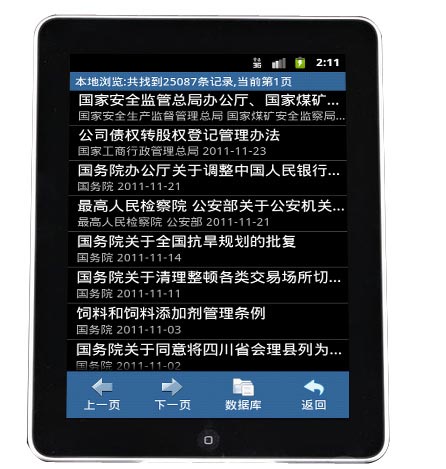
軟件可以在線全文檢索法規50萬件,離線查看本地法規3萬件,還可以實時下載新的法規到本地。
軟件有免費版可新法規速遞下載試用。

軟件可以免費新法規速遞下載試用,但未注冊用戶不提供更新和在線檢索服務。
提供數十種組合檢索方式,并有自定義首頁,收藏法規,保存瀏覽檢索記錄等多種個性化功能。
使用4G的U盤,方便您將法規數據庫隨身攜帶,在不同的電腦上方便使用。同時也可以當作普通U盤使用,復制拷貝文件。軟件功能和電腦版完全相同。